it’s a sink.
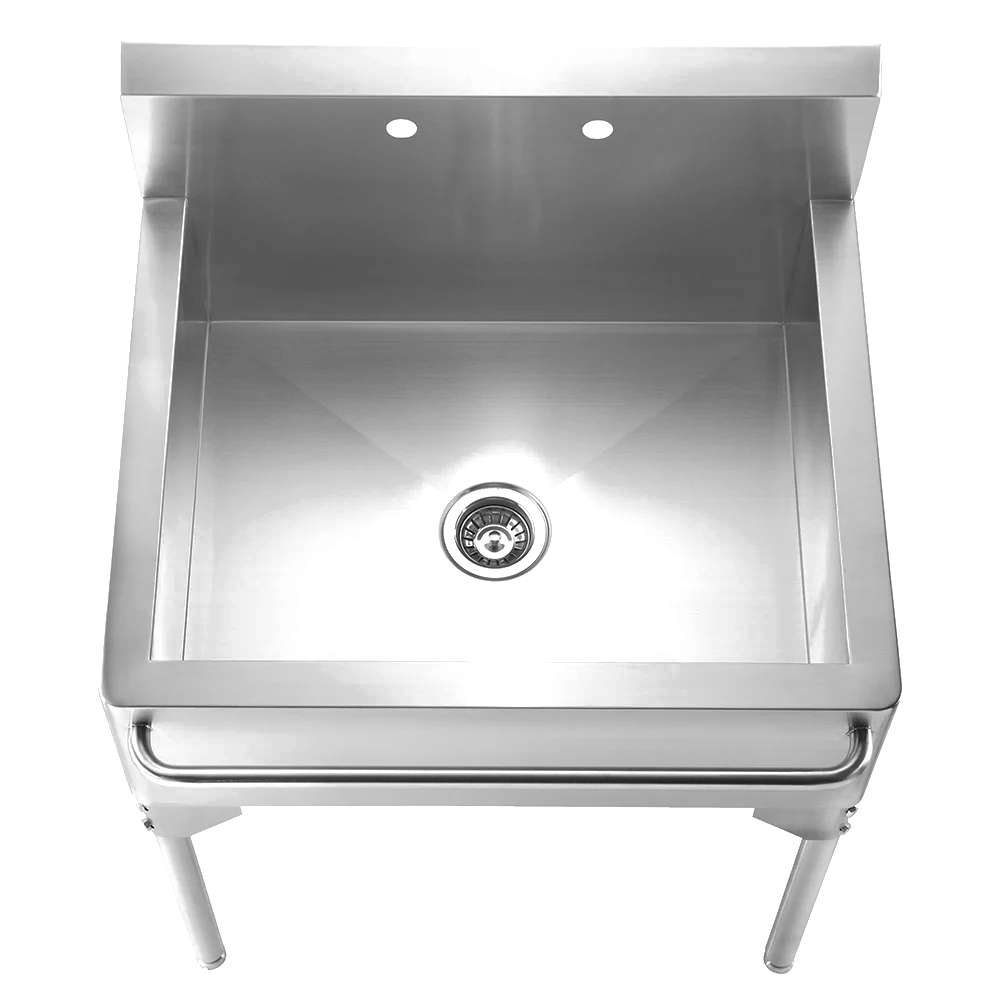
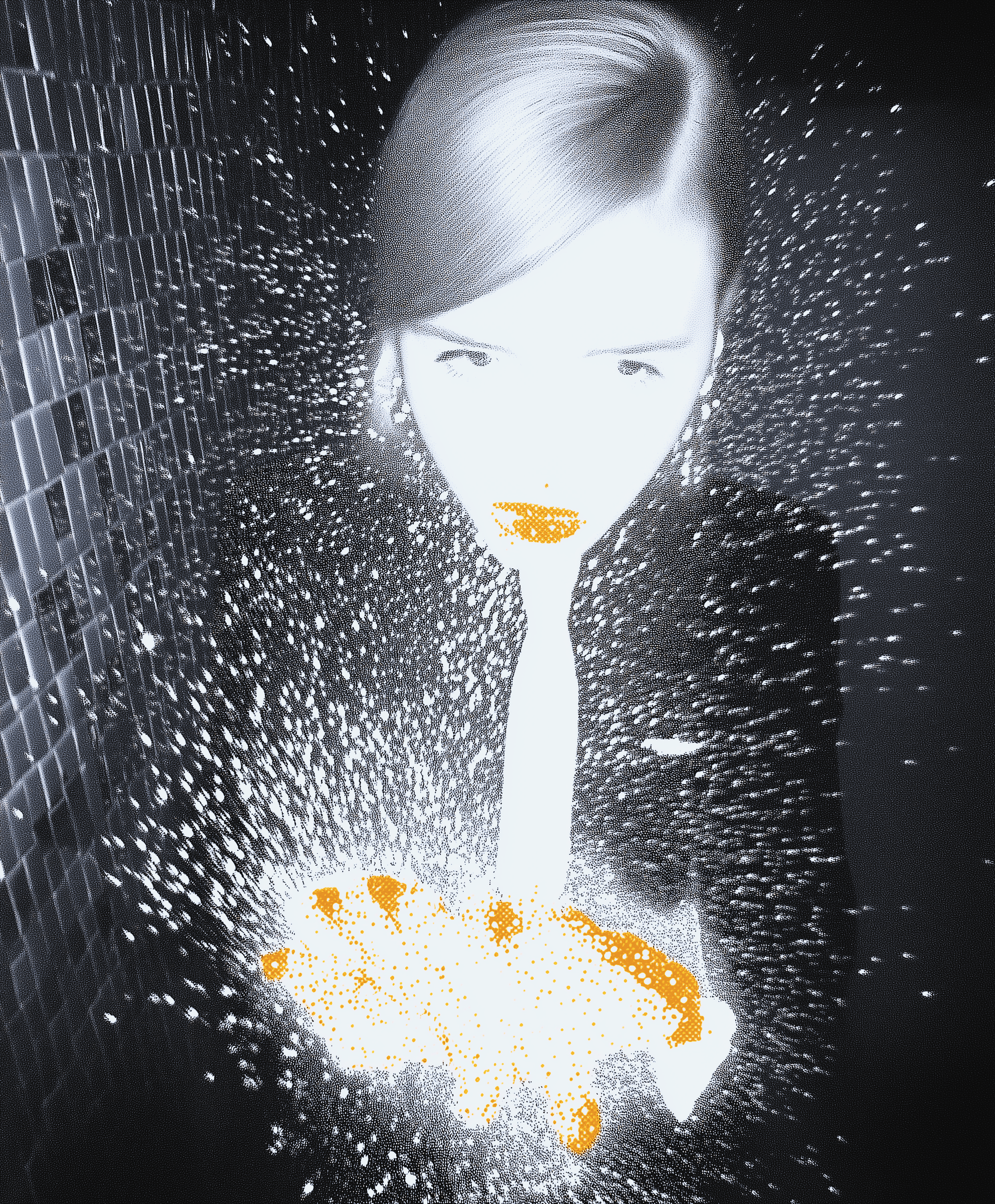
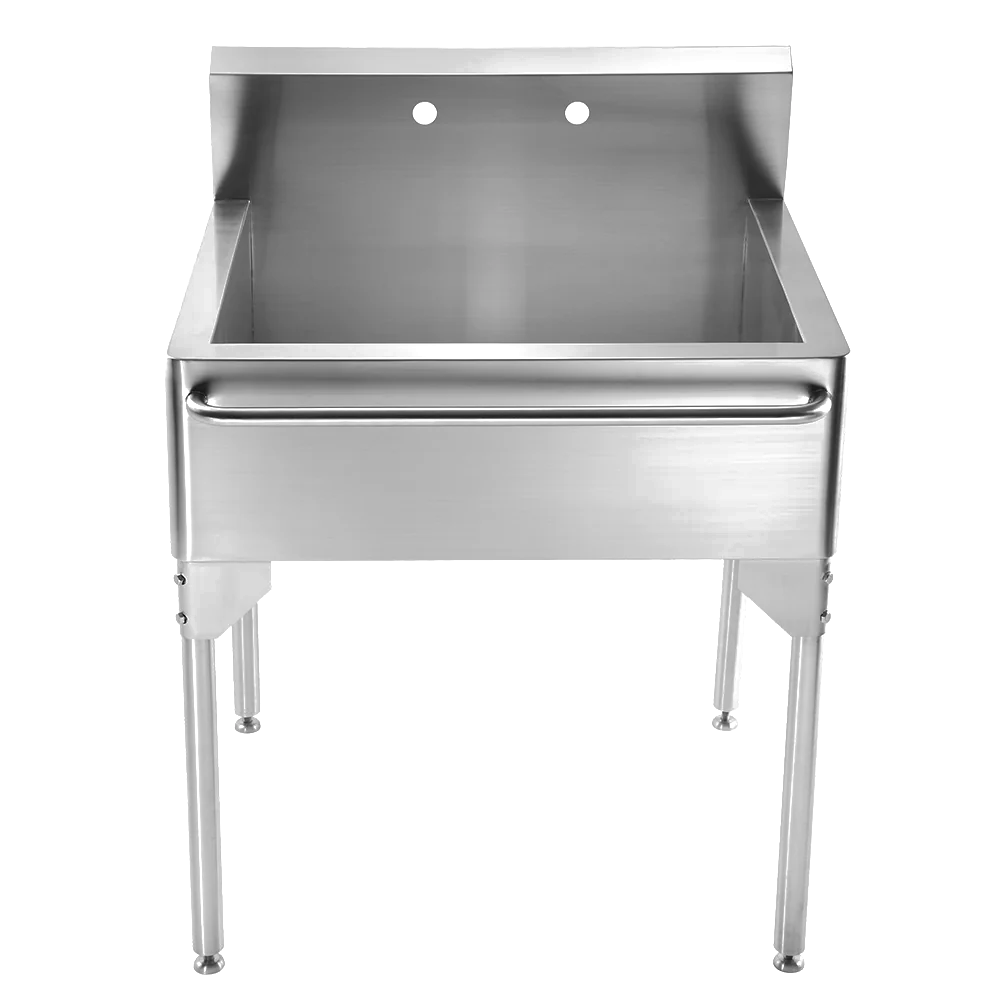
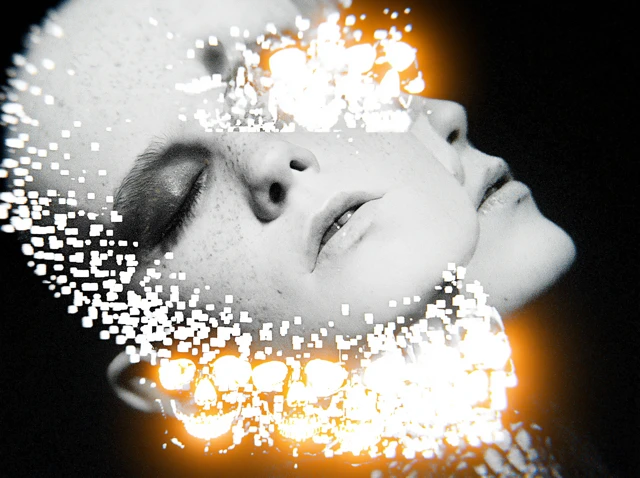
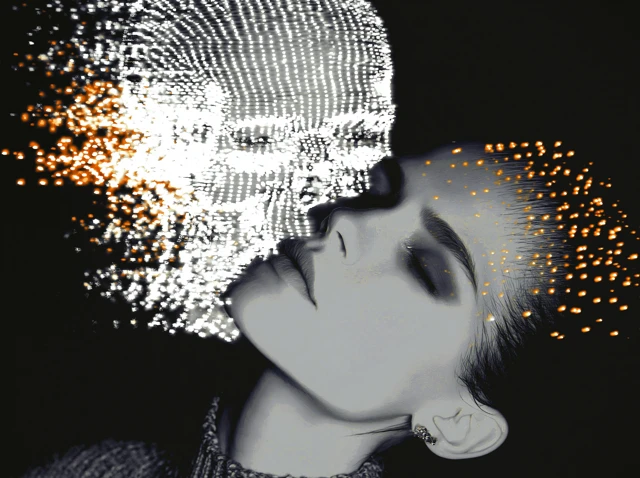
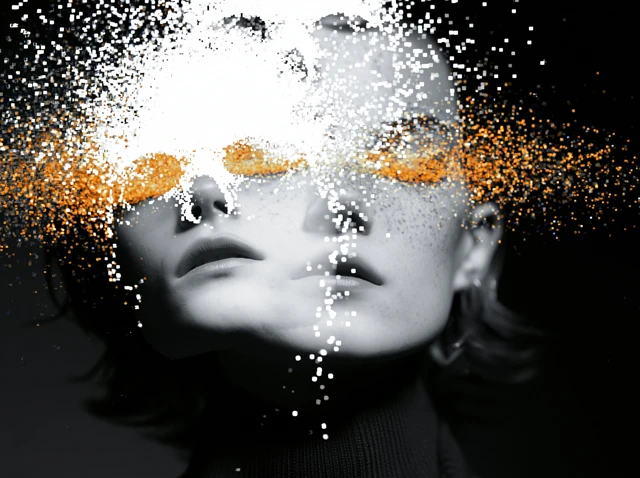
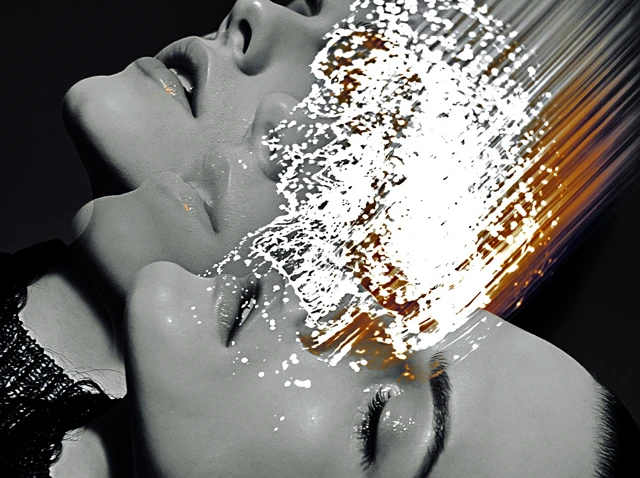
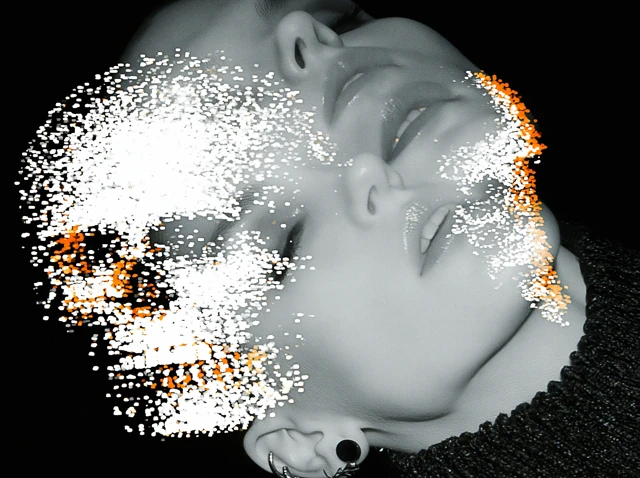
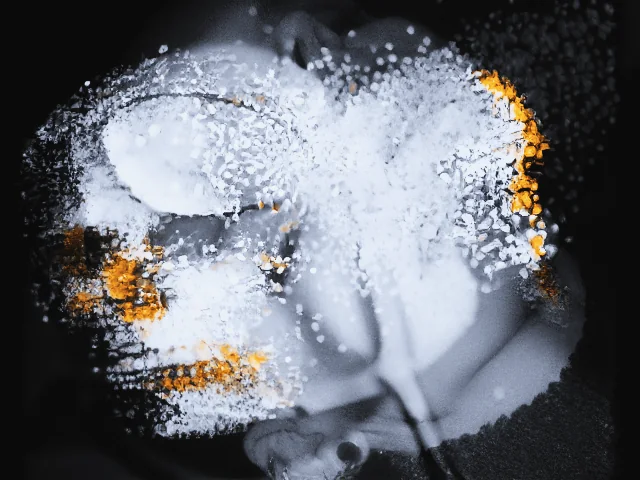
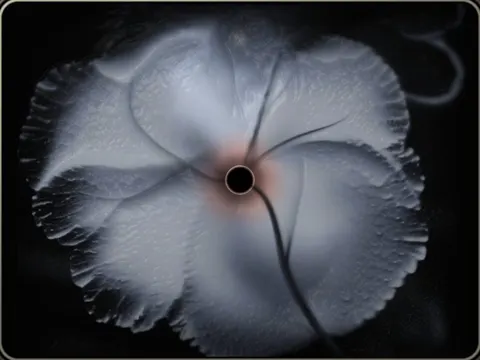
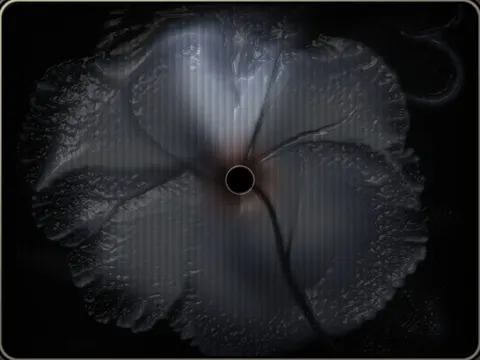
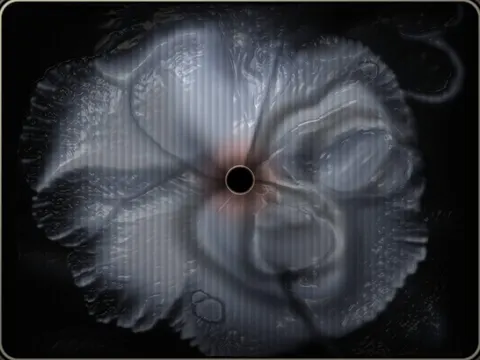
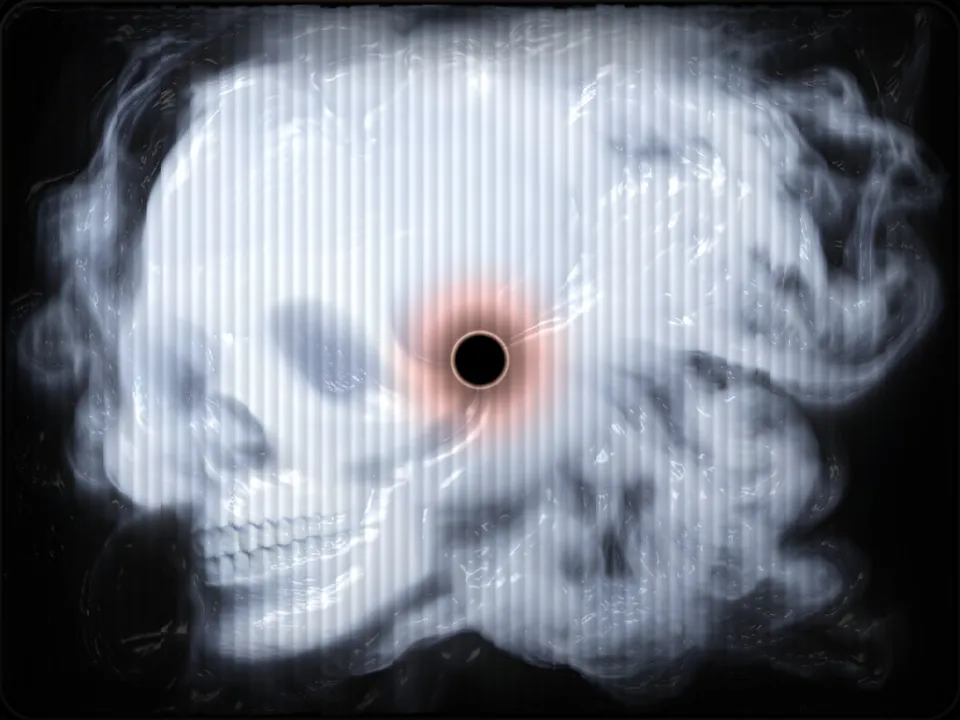
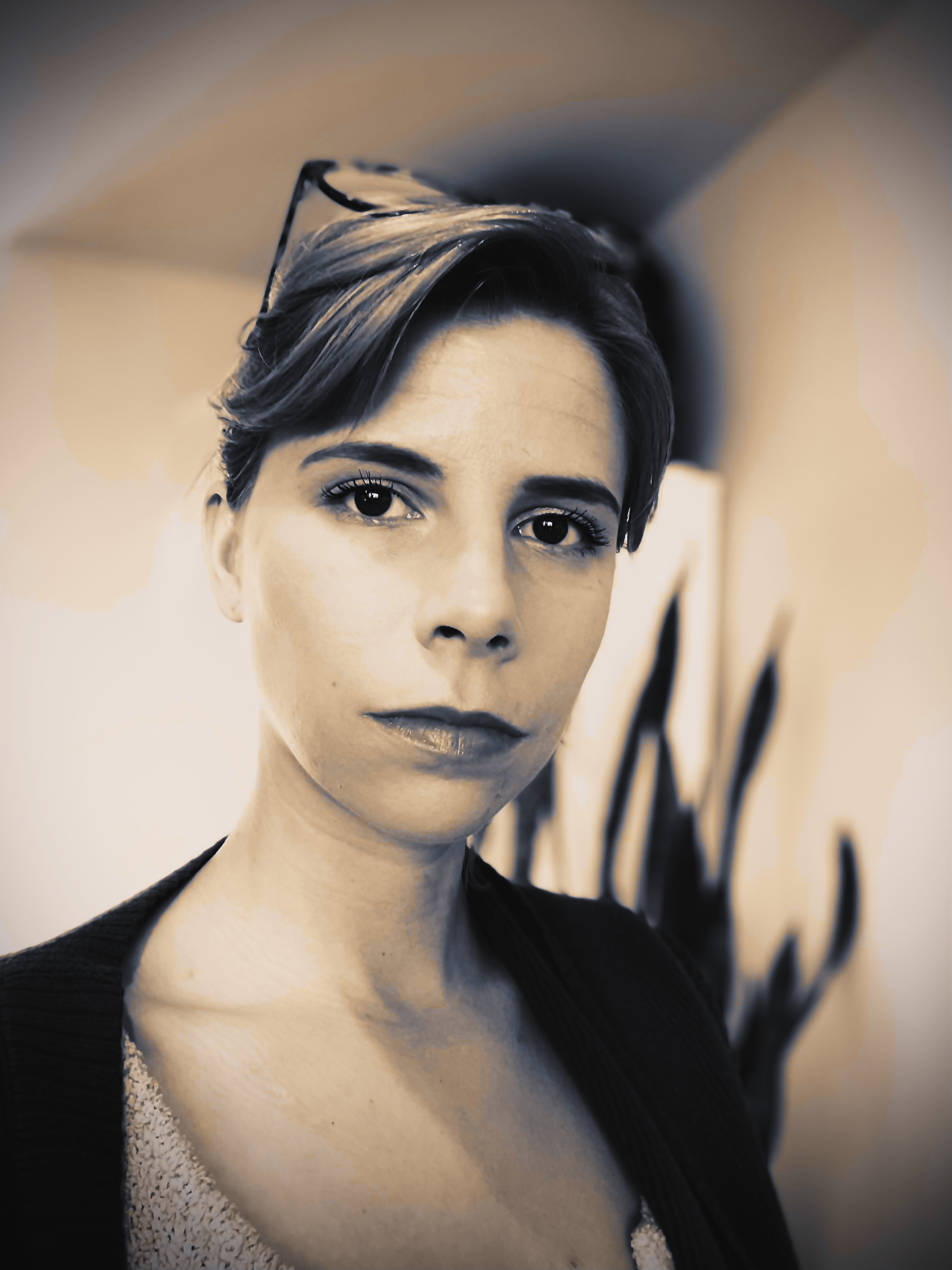
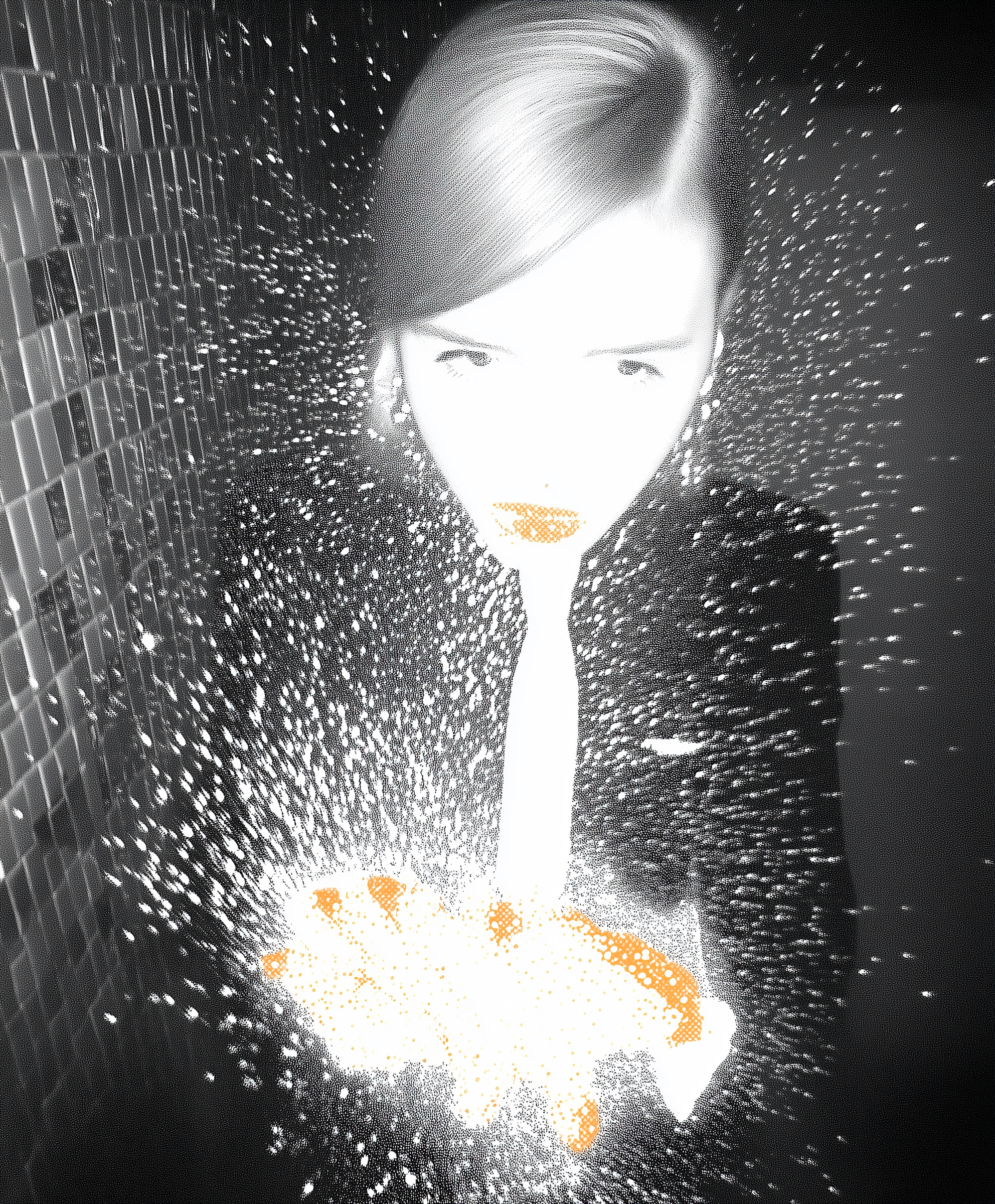
Bowed over a sink, a figure brings up something gold: treasure, or vomit. Her print hangs as a mirror, so your face lands on hers. In the bowl, water is a machine dreaming live, every dream leaning toward eight pictures chosen by hand. Turn the handle, and the water stops: no water, no dream. Reach in, and it slips through your fingers. Elsewhere, AI drinks real water: training GPT-3 could evaporate 700,000 litres of fresh water to cool it. Here the water is one small computer, and a handle turns it off.
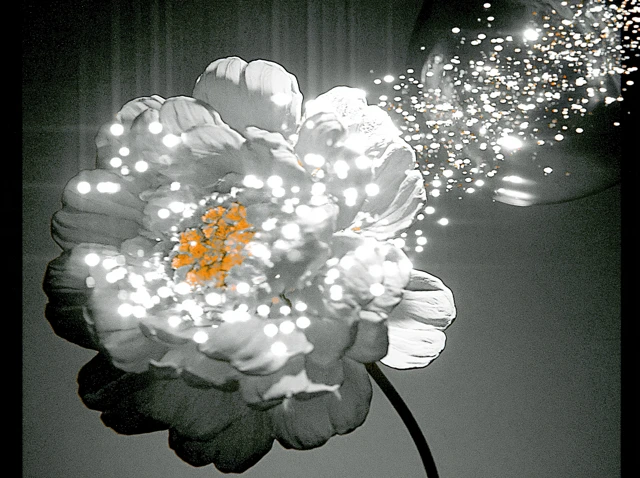
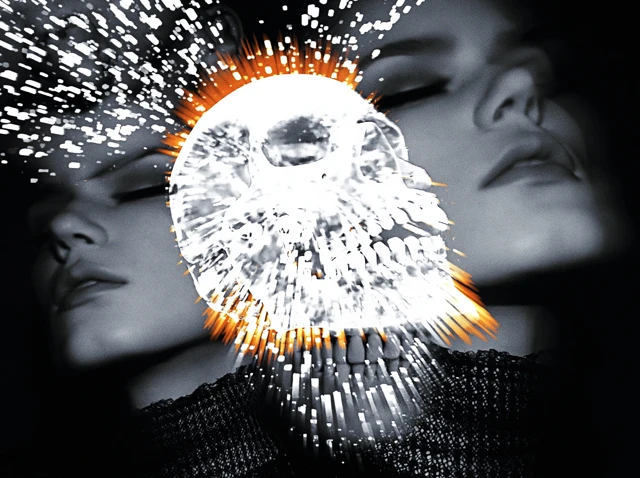
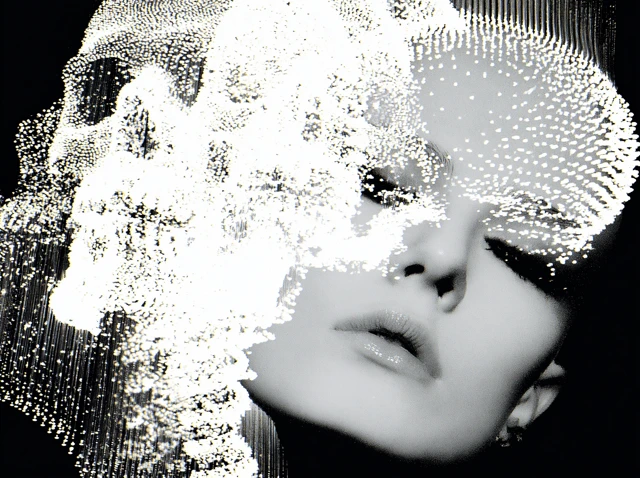
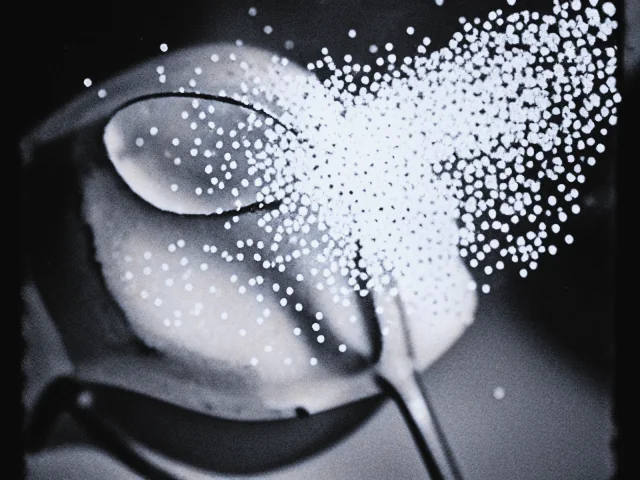
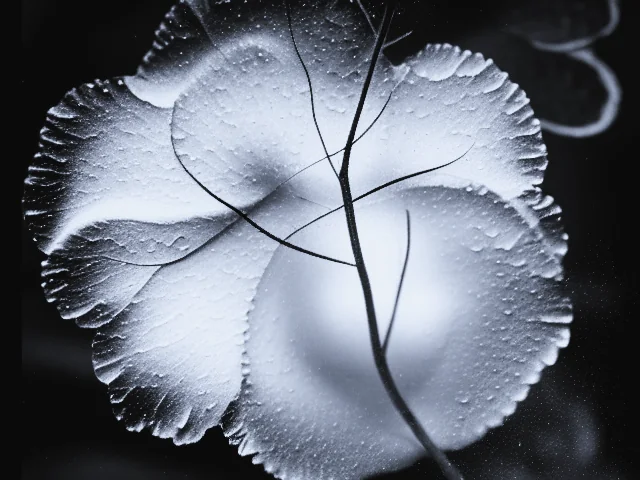
Dutch still lifes of the 1600s painted skulls, cut flowers and soap bubbles: homo bulla, man is a bubble. Here the bubble is AI, twice over. Together the swapped letters, an and er, spell anēr, Greek for man: a mortal. Asked to judge, Pontius Pilate washed his hands and asked, “what is truth?”: quid est veritas. This sink asks you to reach anyway.
Stand at the sink, and the water dreams you for as long as you stay. Nothing is kept.
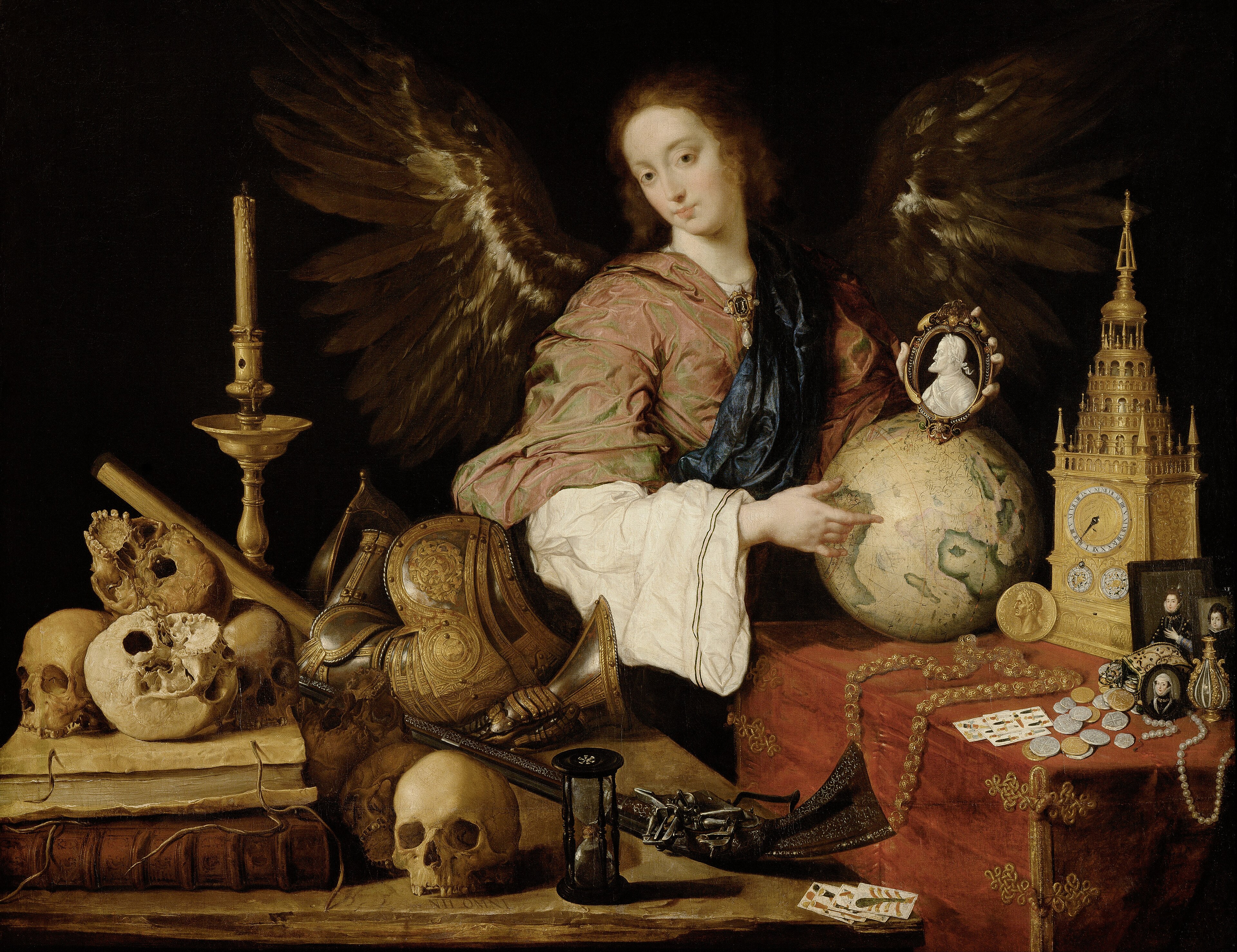
Allegory of Vanity, c.1636, KHM Vienna
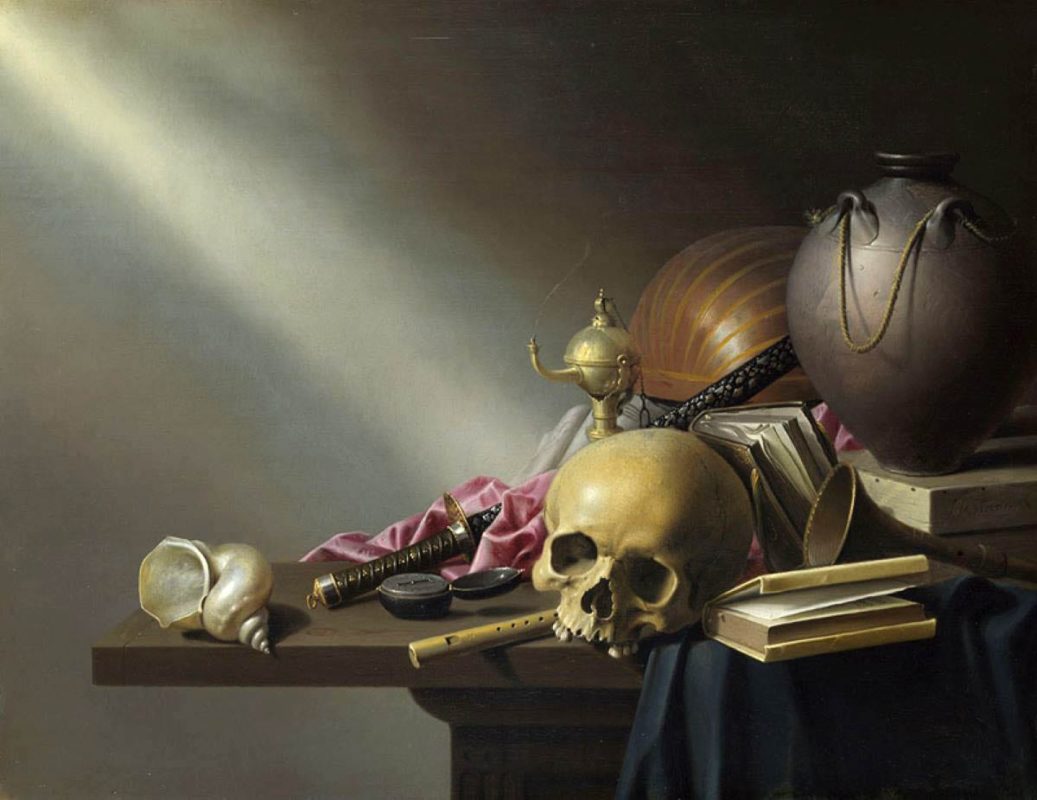
Allegory of the Vanities…, c.1640, Nat. Gallery
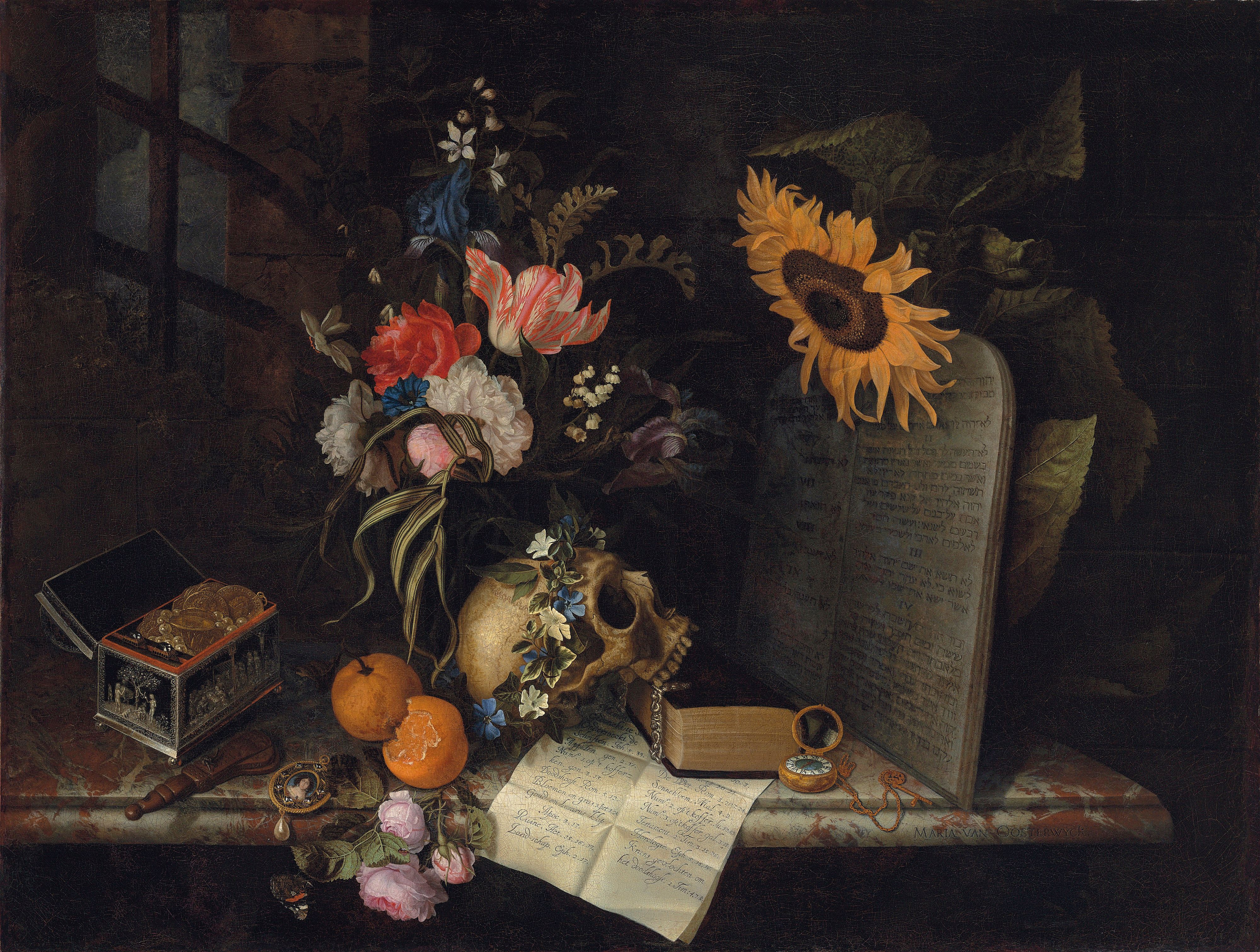
Vanitas with a Sunflower, 1668, Rijksmuseum
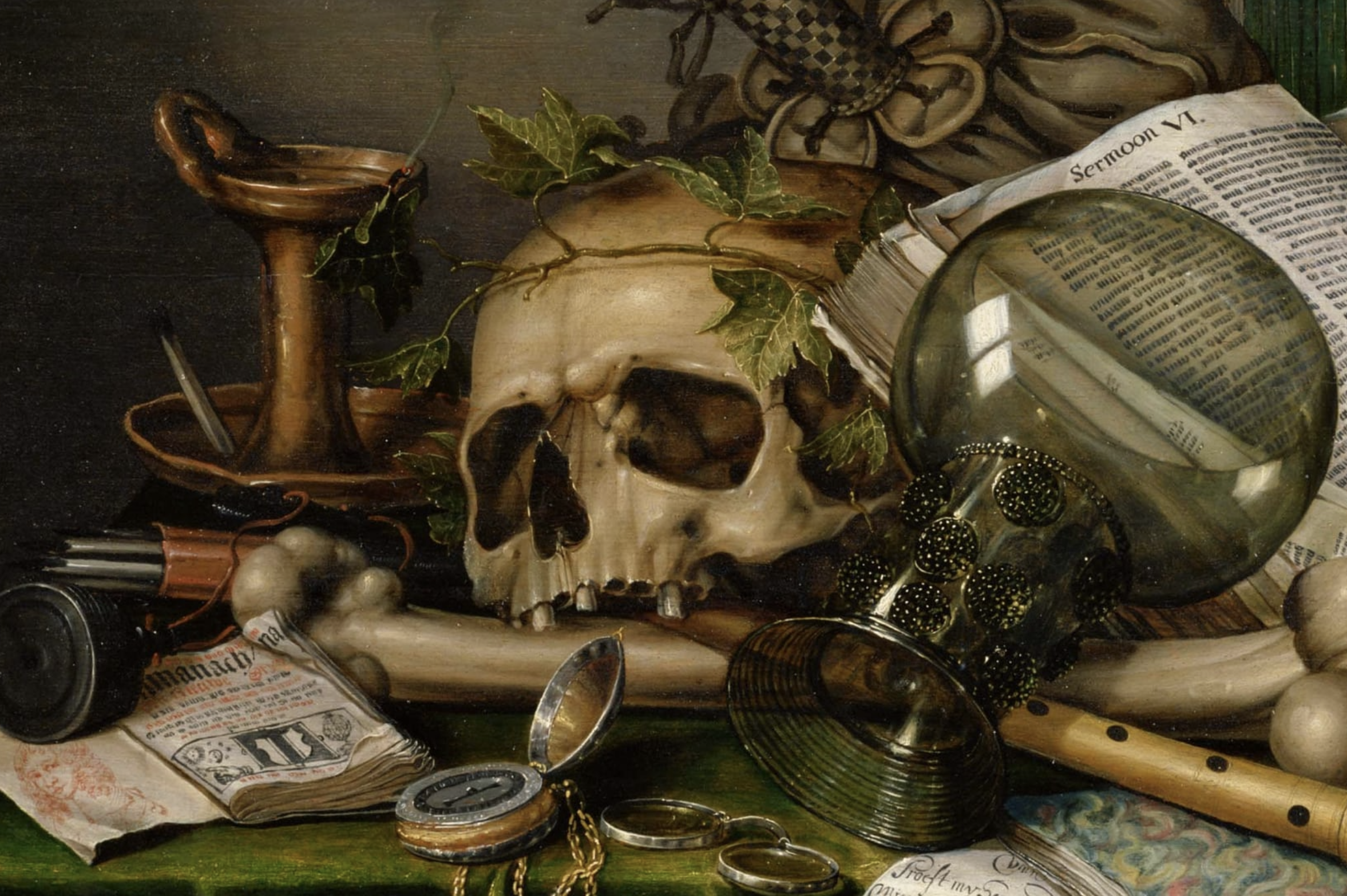
Vanitas Still Life (detail), 1630, Mauritshuis
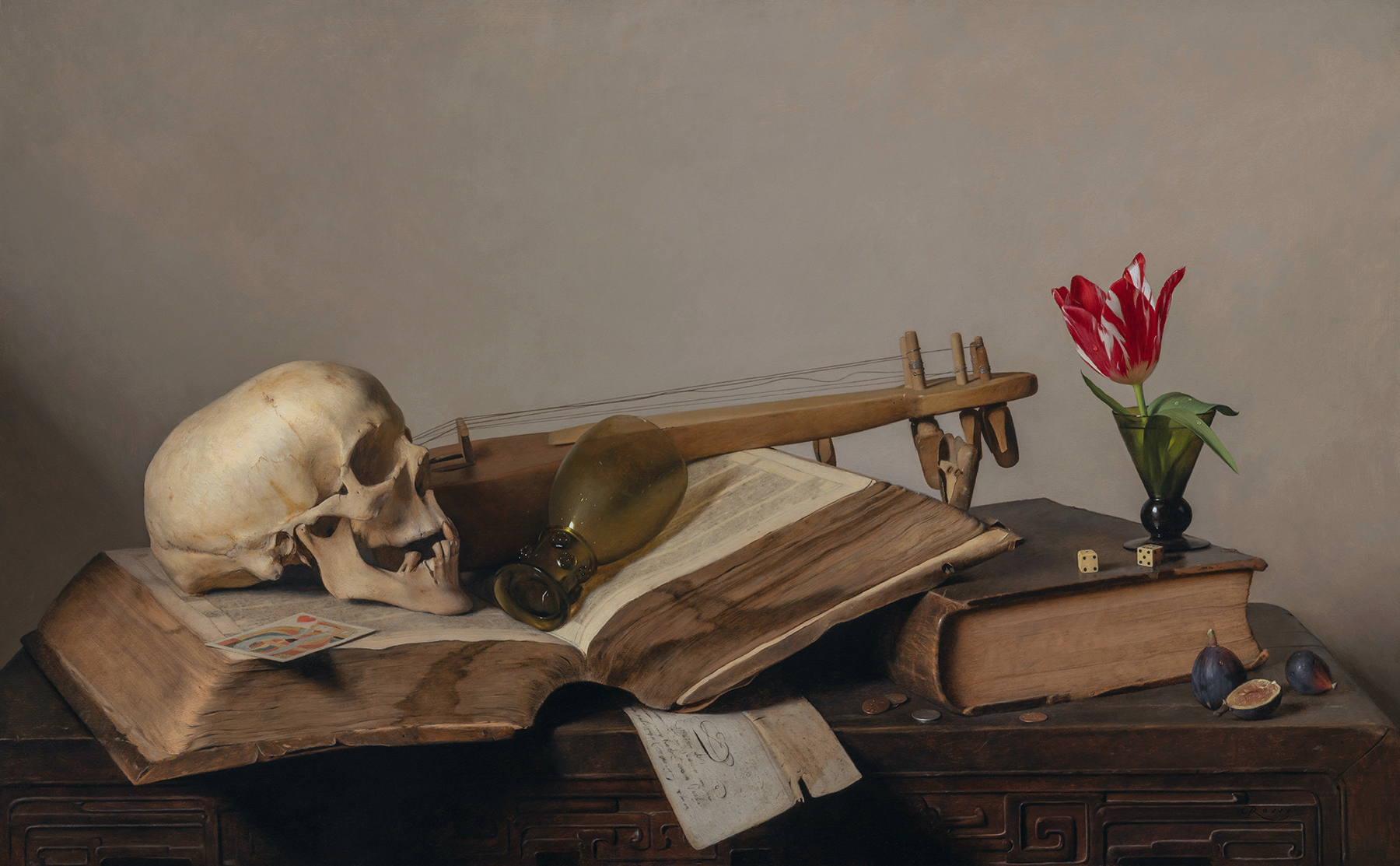
Vanitas Still Life, contemporary
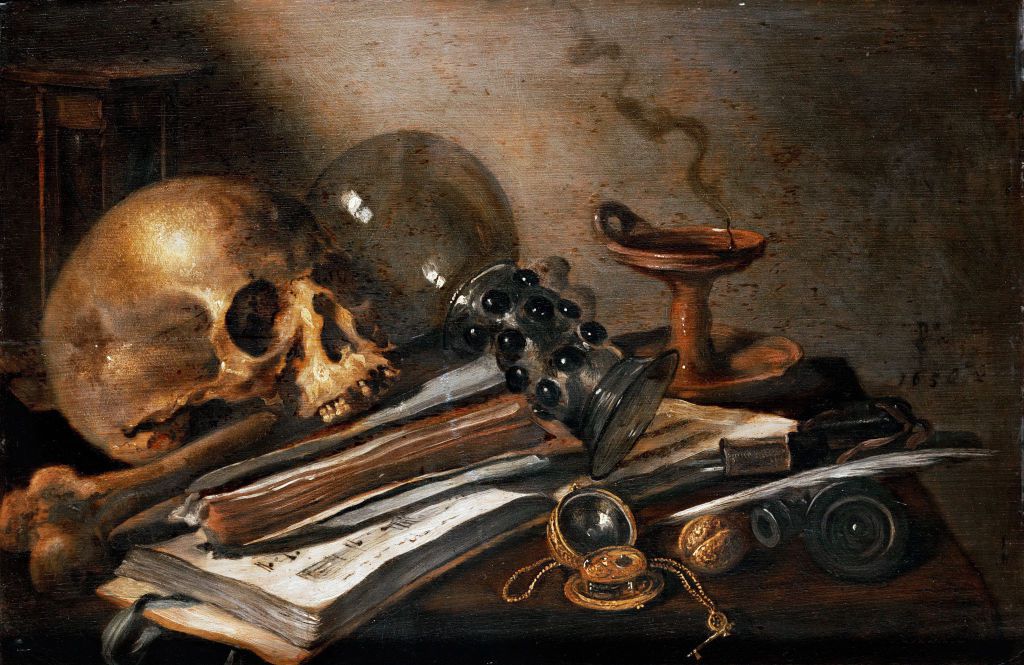
Vanitas Still Life, dated 1650
In the 1600s the Dutch Republic had just gotten rich, fast: global trade, a new merchant class, tulip futures, more imported luxury than anyone knew what to do with, and a rigid Calvinism that held your possessions cannot save you. Vanitas is that contradiction in paint.
Picture a patron: he commissions his shells, gold and books, has them rendered gorgeously, then hangs a skull over the pile so the indulgence reads as a sermon. Have the luxury, moralise the luxury.
Slop is our tulip mania: infinite cheap abundance, generated faster than anyone can value it. Vanitas told the 17th century its wealth was hollow while cashing the cheque; this piece says it to the feed.
Its screen boots straight into the water; a power cut is just the tap turned off. On the web, the same water runs as veritas, and a touch there reaches the sink’s water as a ghost touch. On the sink, a QR code opens it: sink == sync: one water.
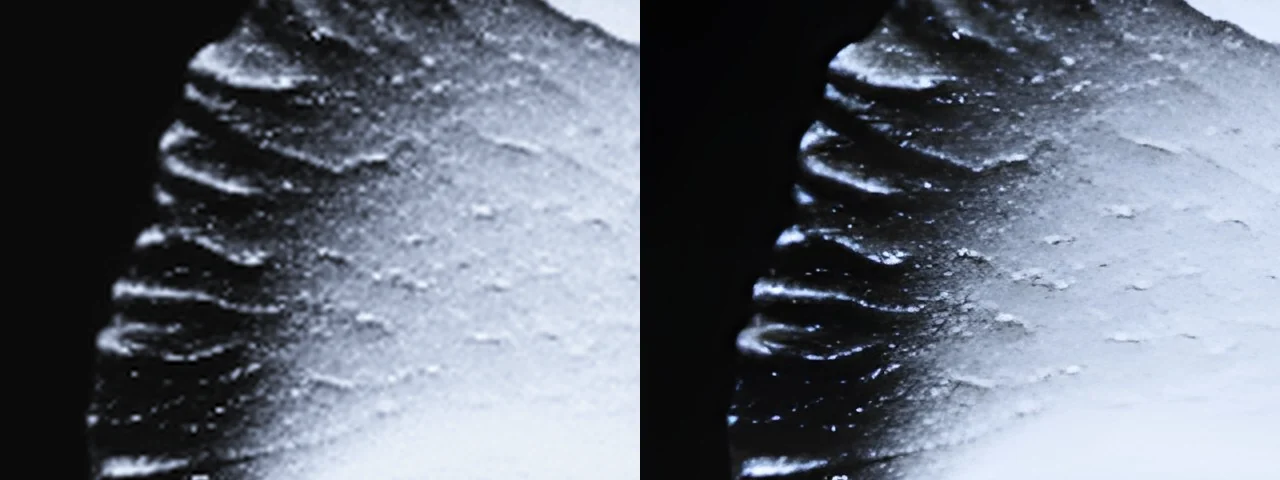
how the water is made
Antonio de Pereda, c.1636
Harmen Steenwijck, c.1640
Maria van Oosterwijck, 1668
Pieter Claesz, 1630
Carlo Russo, contemporary
Dutch School, 1650
vanitas [flower, skull, soap bubble] --chaos 100 --ar 4:3 --sref https://s.mj.run/wu5Pv45blp4 --profile f5vl77o --stylize 1000 --hd --v 8.1